

Impact protection: a guide for shops and warehouses
Trolleys, roll cages, pallet trucks and forklifts all hit things. This guide covers what to protect on the shop floor and in the warehouse, which product does which job, and what the rules on workplace traffic expect of you.
- Shop floor and back of house
- What the regulations expect
- Thirty years supplying this kit

What is impact protection?
Impact protection is the bumper rail, corner guard, post or barrier that takes the knock so that the fixture, the wall or the person behind it does not. It is cheap next to what it protects: a chiller cabinet, a run of racking, a roller shutter door or a member of staff on a walkway.
It splits into two jobs. On the sales floor the traffic is trolleys, roll cages and pallet trucks, and the damage is scuffed fixtures and broken glass. Behind the scenes the traffic is forklifts and lorries, and one hit can take racking or a doorway out of use.
There is a legal side as well. The Workplace (Health, Safety and Welfare) Regulations 1992 require workplaces to be organised so that pedestrians and vehicles can move around safely, which in practice means keeping the two apart wherever you can.
What needs protecting?
Walk the route a trolley or a forklift takes and look for the marks. Damage shows you where the protection should have been.
Start with what costs most when it is hit
- Refrigeration, chiller cabinets and service counters
- Racking uprights and the ends of aisles
- Building columns, corners and door frames
- Roller shutters, dock doors and loading bays
- Anywhere people walk next to moving vehicles
A standard worth knowing
PAS 13 is the British code of practice for safety barriers used to manage traffic in workplaces. If a barrier is there to stop a forklift, ask whether it has been tested to it.
Protection that has to look tidy as well as work.
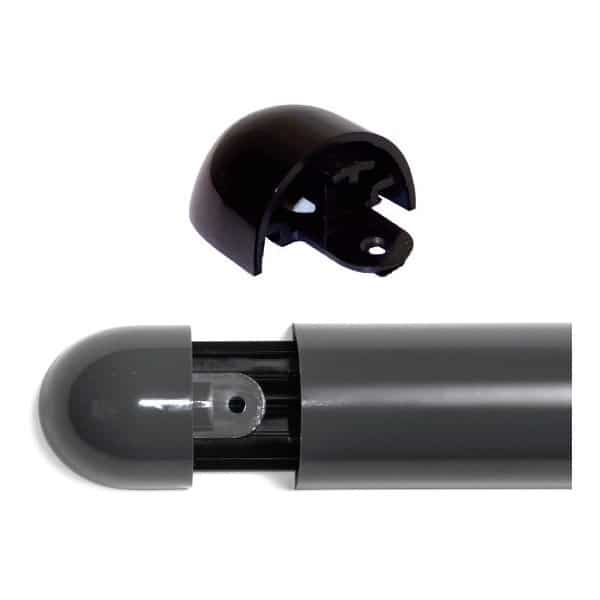
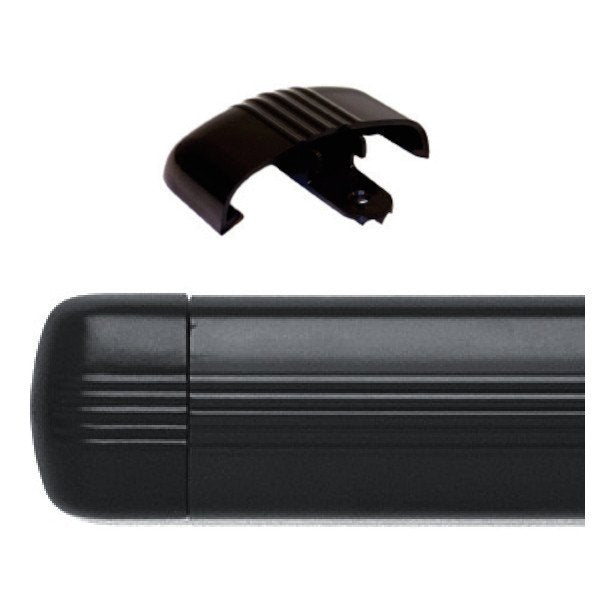
- Bumper rails along cabinets and counters
- Corner and column guards at aisle ends
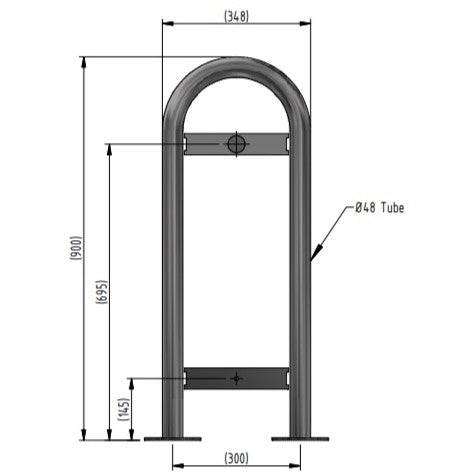
- Low posts in front of chillers and glass
- Door guards and kick plates on staff doors
Protection built for weight and speed.
- Racking end and upright protectors
- Heavy-duty steel or polymer barriers
- Pedestrian barriers along walkways
- Loading bay and dock protection
- Bollards at doors and building corners
How to plan it
Four steps that work for a corner shop or a distribution centre.
-
Map the traffic
Mark where vehicles, trolleys and people actually go, not where the drawings say they go.
-
List what gets hit
Look for scuffs, dents and repairs, and ask the people who work there. They know.
-
Match the product to the vehicle
A guard that stops a trolley will not stop a forklift. Choose by weight and speed.
-
Separate people from vehicles
Where staff walk beside vehicle routes, a barrier does more than a painted line.
Where it is used
Different sites, same principle: put something cheap in front of something expensive.
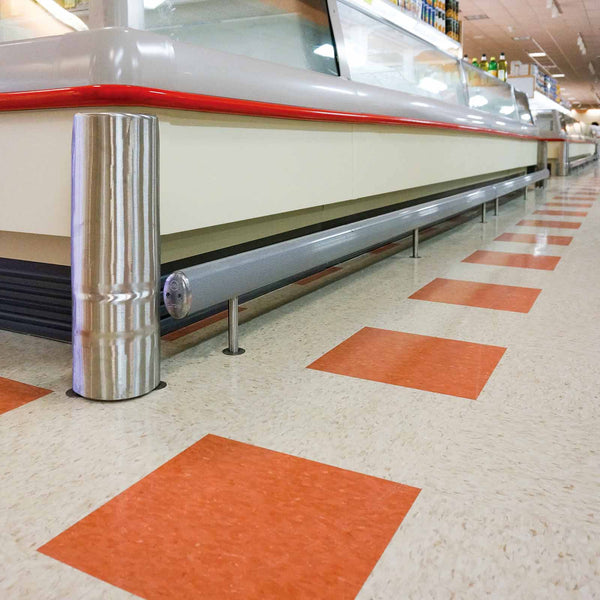 Sales floor
Supermarkets and convenience
Chillers, freezers and counters take daily knocks from trolleys and cages. Bumper rail and corner guards pay for themselves in repairs avoided.
Internal impact protection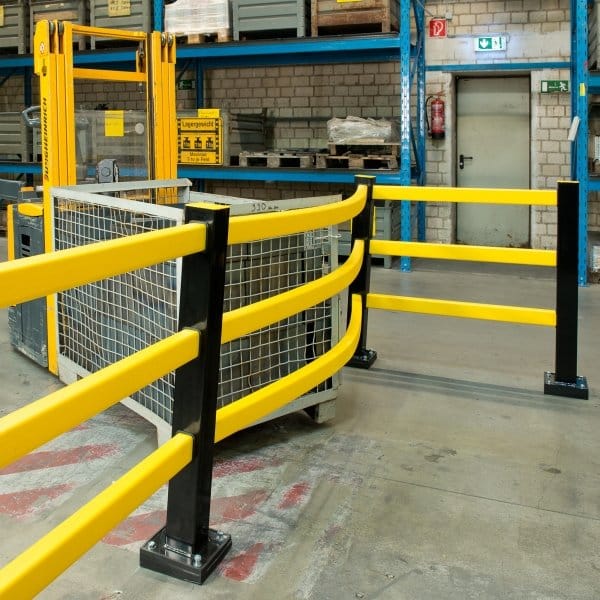 Racking and walkways
Warehouses and distribution
Racking protection and segregated walkways come first, followed by doors and columns.
Warehouse barriers Vehicles
Loading bays and yards
Lorries reversing onto docks need guides, stops and protection for the door surround.
Loading bay barriers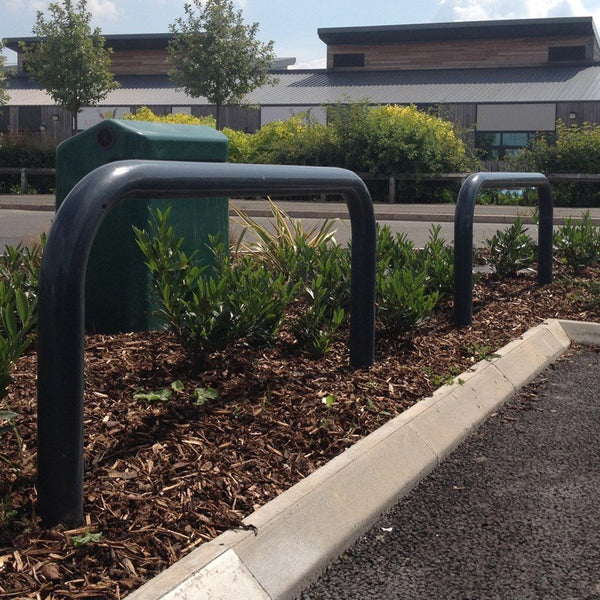 Outside
Car parks
Bollards and barriers protect shopfronts, trolley bays, payment machines and charge points.
External impact protection

Choosing the right protection
Three things decide the product: what is doing the hitting, how fast it is going, and what happens if the protection fails. A scuffed counter is an annoyance. A struck racking upright is a safety problem that can close an aisle.
Buy for the worst realistic hit, not the average one, and fix it properly. Protection is only as strong as the floor and the fixings underneath it.
-
 Full range
Impact protection
Bumper rails, guards, posts and barriers for inside and out.
See the range -
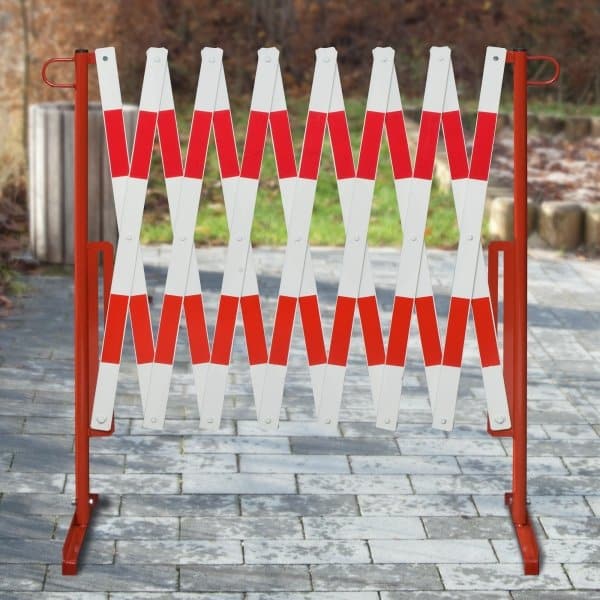 Warehouse
Safety barriers
Barriers that keep people and vehicles apart.
See the range -
 Visibility
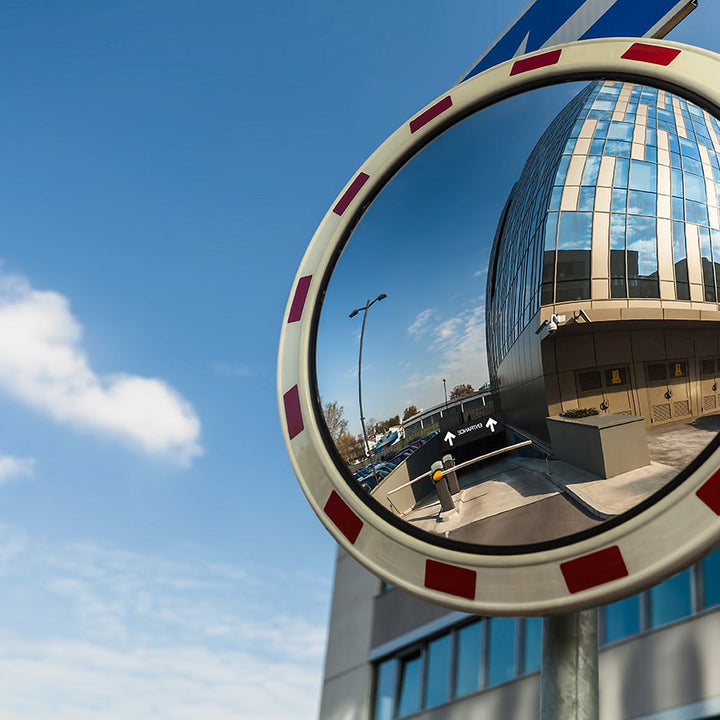
Traffic mirrors
Mirrors for blind corners, crossings and exits.
See the range

We can install some items. Call us on 0116 318 4182 to talk through what you need and whether we can fit it for you.

Common questions
What is the difference between asset protection and impact protection?
They are two names for the same thing. Asset protection is the term retailers tend to use for bumper rails and guards on the sales floor. Impact protection is the wider term and covers warehouses and yards as well.
Is impact protection a legal requirement?
No product is required by name. The Workplace (Health, Safety and Welfare) Regulations 1992 do require traffic routes to be organised so that pedestrians and vehicles can circulate safely, and physical barriers are one of the main ways of doing that.
What is PAS 13?
PAS 13 is a British code of practice for safety barriers used in workplaces where vehicles operate. It covers how barriers should be tested and where they should be used.
Do you fit impact protection?
We can install some items. Call us on 0116 318 4182 to talk through what you need and whether we can fit it for you.
This guide is general advice. Carry out a risk assessment for your own site and check the official guidance: HSE: workplace transport safety. Last reviewed October 2026

